An odyssey inspired by Homer and brought to life in the modern day.
Athens: Acropolis, Parthenon and Greek Agora
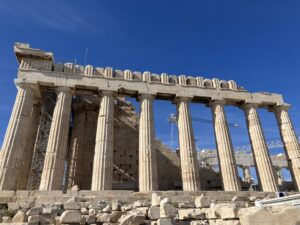
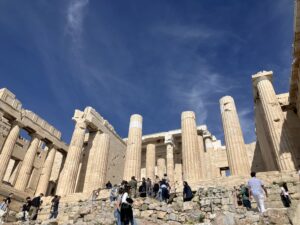
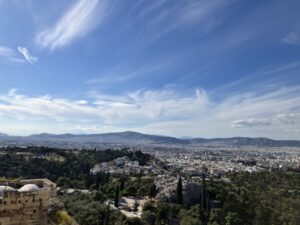
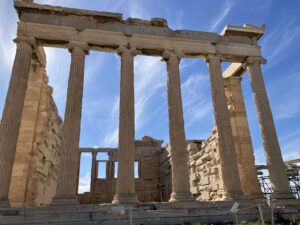
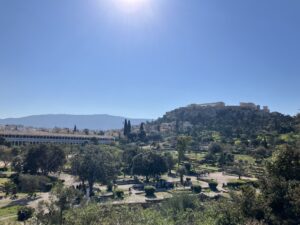
My fellow classics nerds will understand my immense excitement on arrival in Athens for the first time. Home to stories by Homer, Sophocles and Aristophanes to name a few, the city has always been a bucket-list destination for me, somewhere to finally contextualise these stories and bring to life tales of epic voyages. The scale of the Acropolis was to be marvelled at, but what’s more astounding is how well this 5th century BC edifice has been so well preserved to keep it intact after nearly 7,000 years. The Parthenon is its largest surviving building and this former temple to Athena is probably the most well-known part of the Acropolis remains.
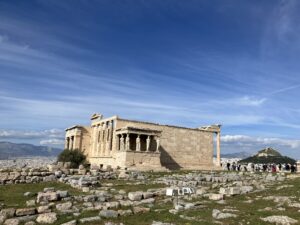
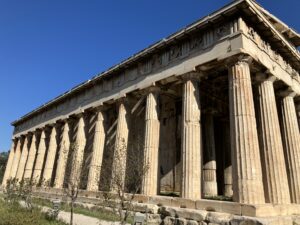
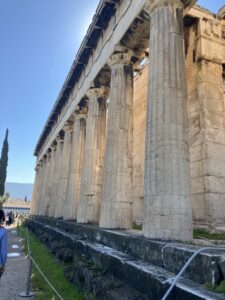
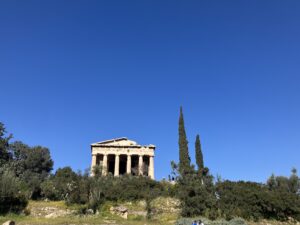
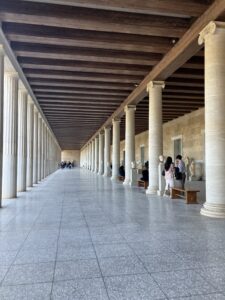
A visit that really captured my attention was to the Greek Agora, two or three metro stops south-west of the main Acropolis site. Away from the main tourist hubbub, this impressive building stands within the now peaceful, leafy outskirts of the city. The site of many political dealings of the day, the ancient agora isn’t to be confused with the Roman agora, a former marketplace nearby, It contains ruins that were constructed to resemble the Parthenon and the museum on site is full of a wealth of knowledge about the archaeological finds in the surrounding areas.

The oracle at Delphi
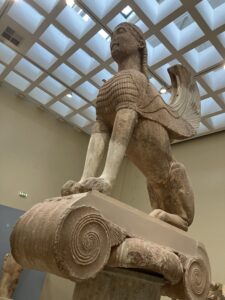
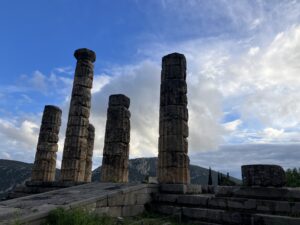
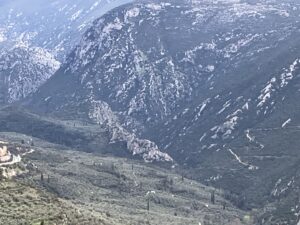
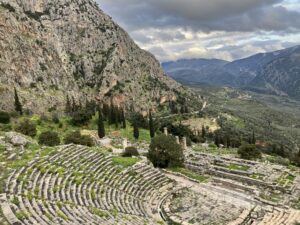
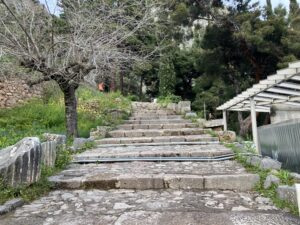
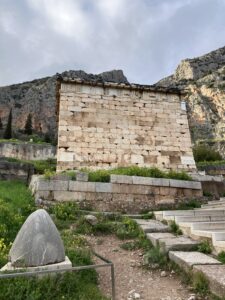
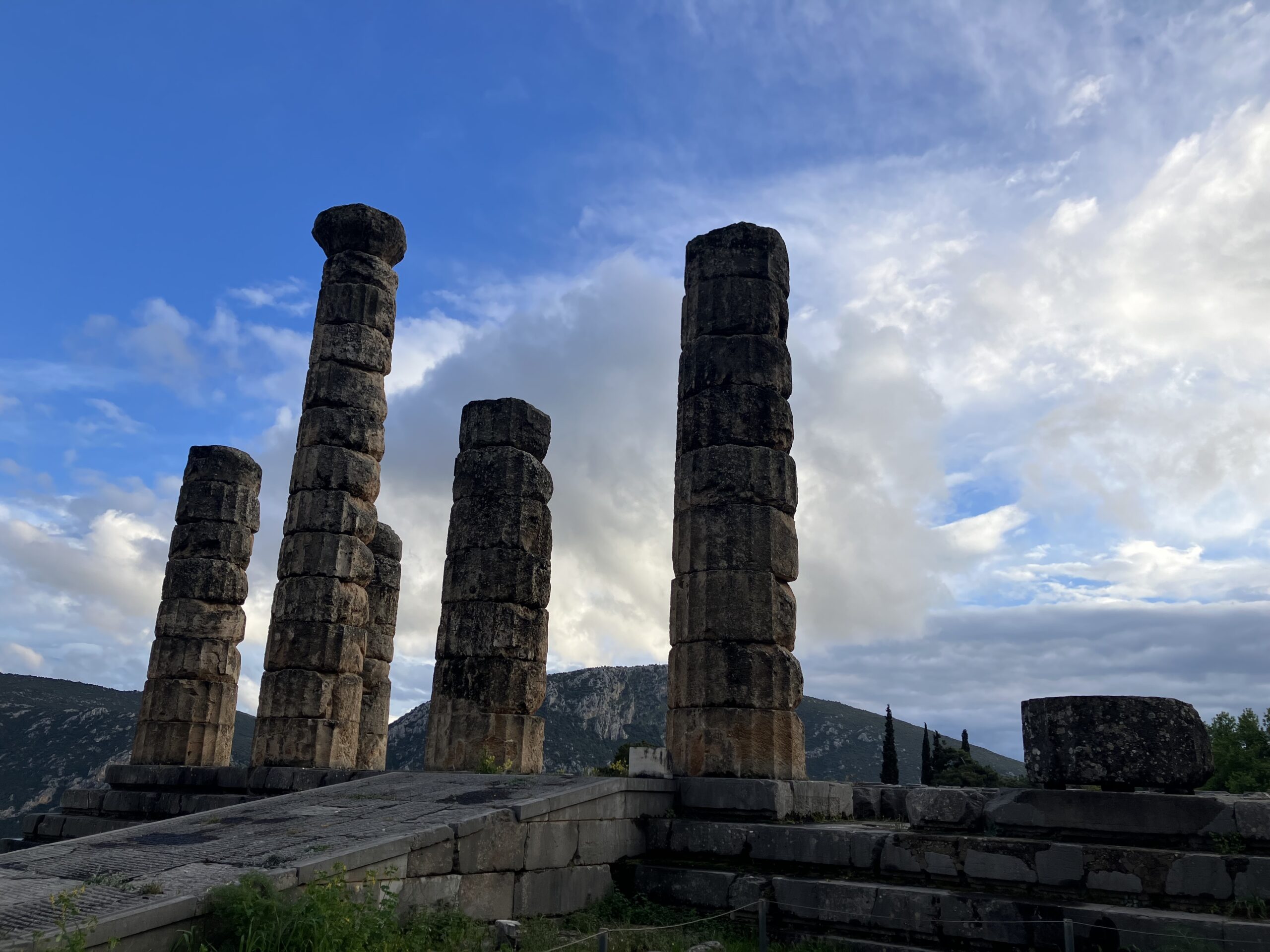
The historic site of the Temple of Apollo, Delphi is a tantalising culmination of Ancient Greek fact and myth. In Ancient Greek times, myths were a common way of explaining natural phenomena such as tectonic activity. Nowhere is this more pronounced than at Delphi, a site of pilgrimage in the ancient world.
The significance of Delphi really can’t be overstated. Believed to be the centre of the world in Ancient Greeks, the myth surrounding the formation of the temple states that Zeus set two eagles loose in opposite directions around the Earth, and the place at which they met became Delphi. Named in Ancient Greek as Omphalos of Delphi, omphalos was the Greek word for navel, signifying how central it was. The omphalous stone, now visible at the site, was believed to be dropped by the eagles to mark the centre point of Delphi and the wider world. Now a religious artifact, it attracts thousands of visitors each year.
The site of Delphi is remarkable, not least because of how well the temple has been preserved in the modern day. Now a UNESCO world heritage site, it’s also home to a huge amphitheater and many iconic columns. While most of the archaeological site around the temple contains ruins, the museum at Delphi offers a wonderful insight into this incredibly sacred site.
Meteora: the place between heaven and earth
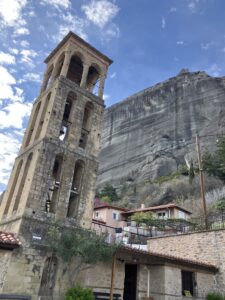
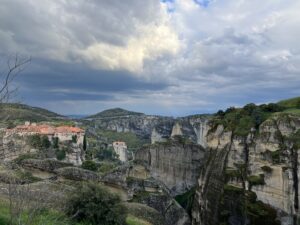
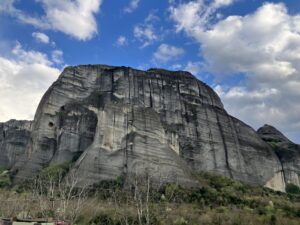
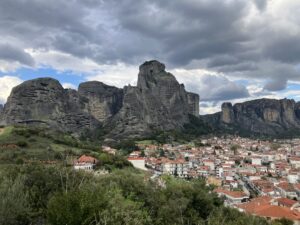

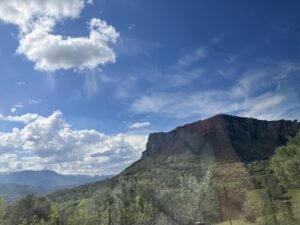
350 km north-west of Athens is Meteora, a site of incredible rock formations in an other-worldly setting. Towering above the town of Kalambaka (once a small, unpresumptuous town; now, slightly more commercialised for incoming tourists), the rock formations are known for the six ancient monasteries perched perilously on their edges. A site of pilgrimage for worshippers and even today home to monks who live in seclusion, one thing is immediately clear about Meteora: you have to want to get there, this isn’t somewhere you stumble upon by accident.
This thinking will naturally have you wondering about the fate of the hundreds of monks who martyred themselves in an attempt to scale the mountainous rock formations and start building places of worship. Perhaps there was something in their belief of being closer to the divine and sacrificing their comfort and safety in the process. The exploits of these brave (or foolhardy) devotees are well documented, but even visiting the monastery in the relative safety of a bus and climbing several thousand steps to the very top, it’s a relief to see that ways of getting to the top have been modernised.
Enchanting Nafplio
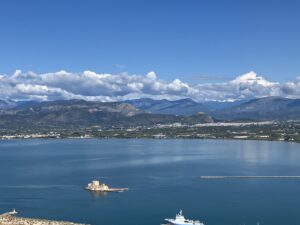
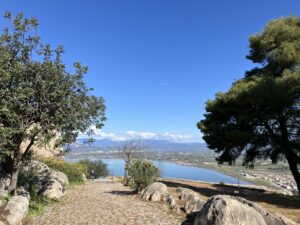
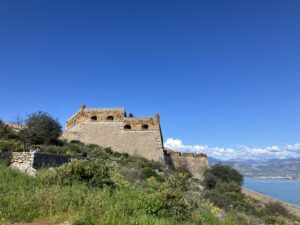
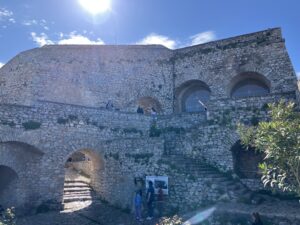
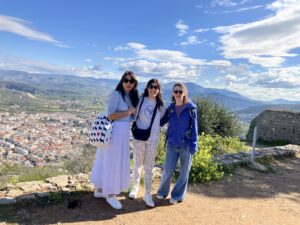
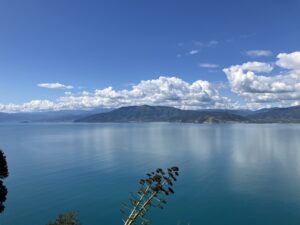
A day after trekking to the highest monasteries in Meteora, we ventured into the Peleponnese in Greece, which felt like a voyage deeper into the history of the region. The Peloponnesian Wars might have happened in the 4th century BC, but their influence remains present throughout the centuries, particularly at Napflio (Greek Napflion). Here, the 17th-century ruins of Palmidi Fortress overlooking the Aegean Sea, reminders of a defence mechanism during the Ottoman occupation of the region. The place has a magical, mythical quality, like a secluded island on which Odysseus might have stopped. Views from the ruins must be seen to be believed: this feels like a citadel preserved in time.
Down the hill from the castle (accessible by taxi or, for those without a fear of heights, by stairs) lies the quaint town of Nafplio. Visited largely by tours and school groups, there’s a certain element of commercialism from local traders, but on the whole the town retains its status as an ancient maritime city with its nautical charm. I’d never heard of Nafplio before visiting, but this place will stay with me because of how enchanting it felt.