Category: Travel

  • Tokyo

    Tokyo

    Packed with culture and abuzz with life, Japan’s megacity offers both serene landscapes and epic views.

    Visiting for the sakura season at the end of March/beginning of April, we experienced Tokyo coming to life in the spring.

    After a lengthy flight of 13 hours, a stopover in Shanghai and a further four-hour flight to Tokyo’s Haneda airport, we arrived into a frenetic Tokyo at night. It was late and I was glad to be travelling with my friend who spoke great Japanese, meaning we could get around as soon as we landed. A short airport transfer and we arrived at our capsule hotel, where, jet lagged and tired from being awake for more than 24 hours, we promptly fell asleep.

    Staying in a capsule hotel was a brand-new experience and while the communal sleeping areas took a bit of getting used to, I really liked the vibe of our stay at Nine Hours, a well-known hostel chain in Japan. There, we met some other fantastic travellers, including some very intrepid 18-year-olds who’d come from Germany. I was impressed at their tenacity at such a young age! The lounge areas were lots of fun to spend time in and we spent a lot of time sitting down to write or draw, usually with dinner from the konbini, either 7-11 or another local store. I loved the freedom of the place, the feeling of meeting people from all over the world, and the fact that every day we’d be doing something new.

    One of my highlights was the Tokyo Tower, which felt a bit like Toronto’s CN Tower, and the Imperial Gardens with its dedicated museum. I was surprised that the streets outside this oasis in the city felt like NY, albeit with less chaotic traffic. After that was Akihabara, the gaming district, which really came alive at night – and, of course, a visit to a cat cafe couldn’t be missed. I’d been warned before I left to watch out for Godzilla, though I was lucky to avoid an encounter.

    Later in the week we’d booked a daytime excursion to Mount Fuji with a group of other travellers, taking an early metro across Tokyo and a long bus ride to the outskirts of the city. We stopped at a museum, a huge shopping village and a roadside restaurant where we took part in a matcha tea-making ceremony. Whisking the powder with water and drink from the cup three times as a dedication was essential, and added a spiritual, mindful element to the ceremony. 

    That week had been especially cloudy but we were incredibly lucky to get a view of the mountain as the clouds cleared. A few kilometres from the mountain we stopped at a local village and ate some volcanically hot fried oyster (in Japanese ‘oishi desu, very tasty). Seeing Mount Fuji was really a bucket list destination for me and I’m so glad we got to experience it when we did.

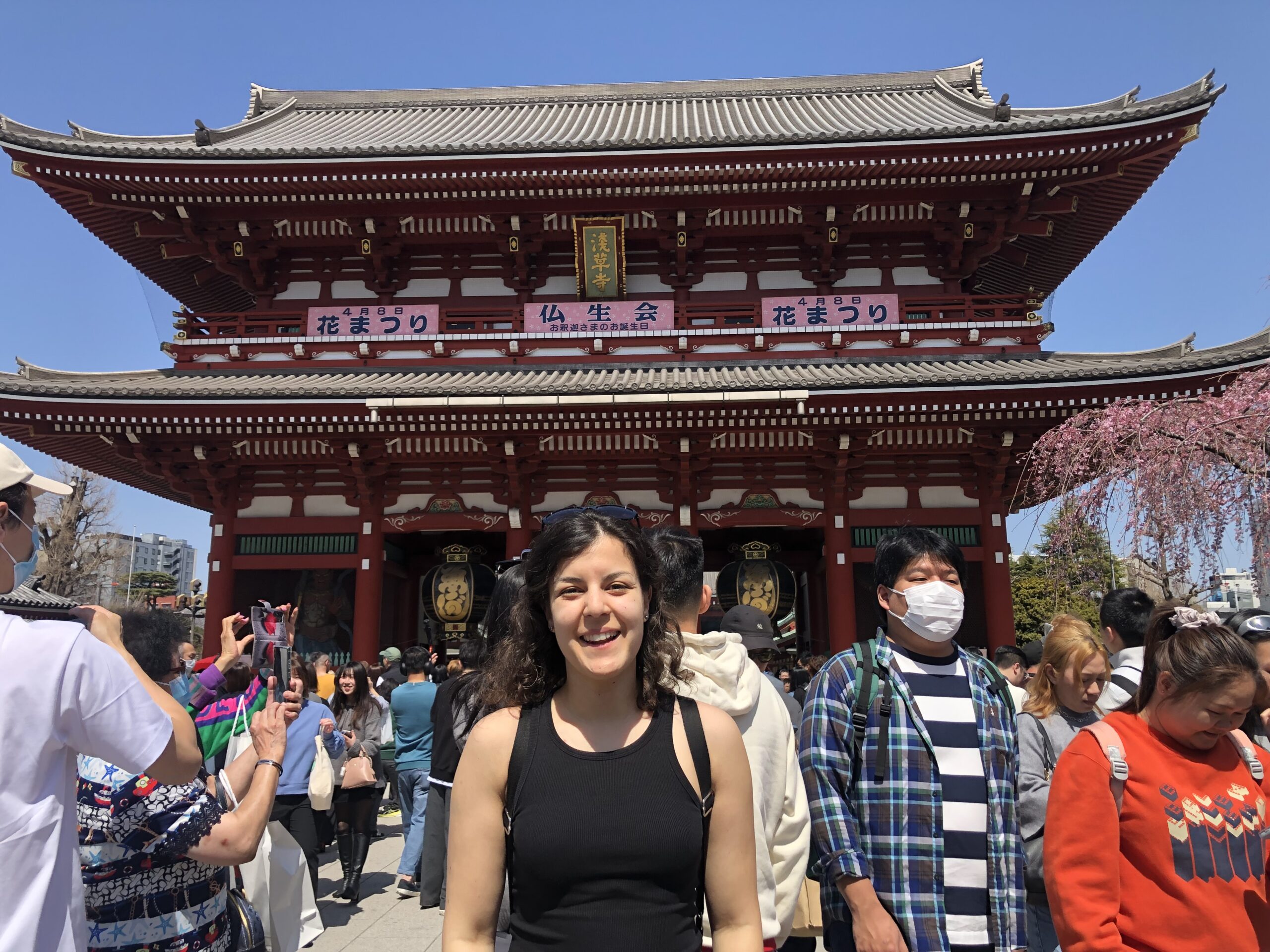
    One of my highlights of the trip was a visit to Asakusa, where we saw historic temples and a fantastic marketplace full of every kind of trinket and gift you could imagine. 

    In the nearby Samurai museum, we had an entertaining tour from local guides about the history of samurai in the area. Inexplicably, there were Ken Watanabe posters everywhere, but this added to the atmosphere!

    At the weekend we took a bullet train from Tokyo to Kyoto, and the two-hour journey felt as straightforward and smooth as catching a flight. You can read about our visit to Fushimi Inari shrine in the Kyoto blog post.

    Eager to pack everything in (even without a rest day), the following morning we got going to meet a local friend at Gyoen National Garden, via a delightful children’s bookshop and cafe where the Very Hungry Caterpillar and Miffy were well represented. The street was famous for its vintage bookshops and we also visited some excellent second-hand antique stores, where I found some prints of Tokyo in the musty attics.

    A short metro ride away from this street was the Gyoen National Garden, though to only refer to it as a garden would be to do it a disservice: it was much too vast for such a modest name. We were delighted to see the sakura appear (it had been late this year and so it was incredible to see in person before we left). 

    After a few hours at the garden with our friend, we headed for afternoon tea at least 20 stories high in a local hotel, with an incredible view of Tokyo. Catching up about our week, the customs in Japan and about what we’d take away from the trip was a highlight.

    Determined not to waste a minute, on the final day we visited a market based on the Eddo period. Steeped in history around the Japanese isolation from other nations for 200 years, this market felt a time capsule, yet had also been modernised and was a hotspot for many locals. After lunch and local beers, we spent the final afternoon indulging in a spa on the top floor of the market with a view of the bay. What better way to spend the last day of our trip? 

    Naturally it was an adjustment to come back to the UK  – after the excitement of the trip and the joy at returning home to friends and family had settled down, we’d have plenty of memories (and souvenirs). After a good sleep, the next morning my first message to my friend was: I miss the konbini. 7-11 would have to be there waiting for us for our next trip.

  • Copenhagen

    Copenhagen

    Seemingly locked in time, the birthplace of Hans Christen Andersen expertly blends the traditional and the modern.

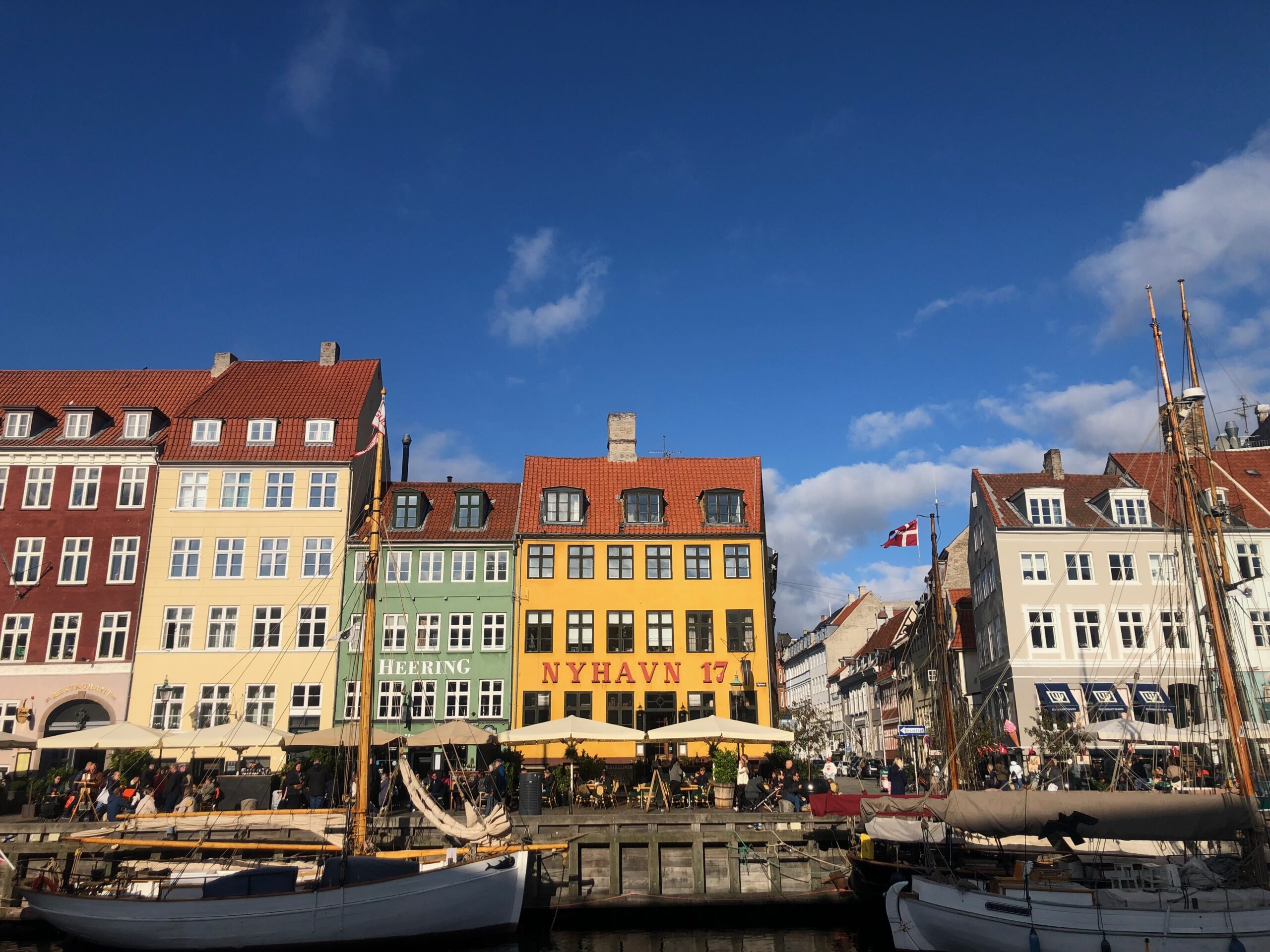
    Copenhagen has to be one of my favourite cities I’ve ever visited. My friend and I immediately felt at home there when we visited in early October: the vibe was fun, people were friendly, there were bikes everywhere (huge for a cycling enthusiast) and the architecture was really pretty.

    From the moment the comparatively short two-hour flight landed, something about the place enchanted us both. It was a revelation to visit somewhere so beautiful, well-kept, full of such happy and studious people, in such a safe and welcoming atmosphere. We explored the city by bike and took a boat tour of the canals and the famous Little Mermaid statue; other times were spent at the Rosenborg Castle, in museums, and frequenting world-famous coffee shops and bakeries. The hygge was strong, we stayed in an incredible apartment rented out to us by the coolest person I know – a Danish TV anchor who lived with her daughter – and spent the time fully maximising the good vibes.

    It’d be remiss of me not to mention Copenhagen’s fine dining experiences. We visited a restaurant in what I can only describe as the Mayfair of the place, which was decorated beautifully (if a slightly pretentious vibe which offset the hygge vibes of our apartment a little). And I’d be lying if I didn’t admit that I was influenced by the chaotic kitchen in FX’s The Bear and wanted a peek at the world-famous Noma. Despite not spending hundreds to eat there, we enjoyed being in the atmosphere of the place. 

    The downside: it was expensive. Europeans don’t exaggerate when they say that the prices in surrounding countries aren’t as steep as they are here. So while we budgeted, we stretched to a four-day long weekend and that was plenty to experience everything the city had to offer. 

    Another word of warning: the beautiful Tivoli Gardens are only open to the public during certain times of year and have an annual closure at the start of October to prepare for the Halloween season. Check the dates before you visit and ensure you book tickets in advance to avoid disappointment.

  • Kyoto

    Kyoto

    Visit Kyoto to experience the magic of its shrines and historical sites.

    Only a two-hour bullet train journey from central Tokyo, our day in Kyoto was one to remember. Maxing out our JR (Japanese Rail) pass, taking the return trip essentially meant the week-long pass paid for itself. After a mishap with boarding the wrong train at the wrong platform, a kindly assistant pulled out a bilingual card and let us know how we could make our way to the right place. So, after many apologies and thanks, we were successfully redirected and departed from Tokyo onwards.

    On arrival, I was taken aback by the sheer density of shrines. Although I knew it by reputation as Japan’s most spiritual city, seeing the number of them in such close proximity was fascinating. Landing at the central station, we took a short, 15-min walk through a mixture of residential streets and developed skyscrapers to To-Ji Temple. This had a collection of beautiful buildings and serene pools of water that reflected the blossoming sakura. Although photography wasn’t permitted in some of the inner buildings, we enjoyed visiting each of them and taking in the sights.

    Later we caught a local bus uptown and headed to the 400-year-old Nishiki Market, a hub of Kyoto which offered a bit of retail therapy, but still in keeping with the traditionalism we saw in other parts of the city.

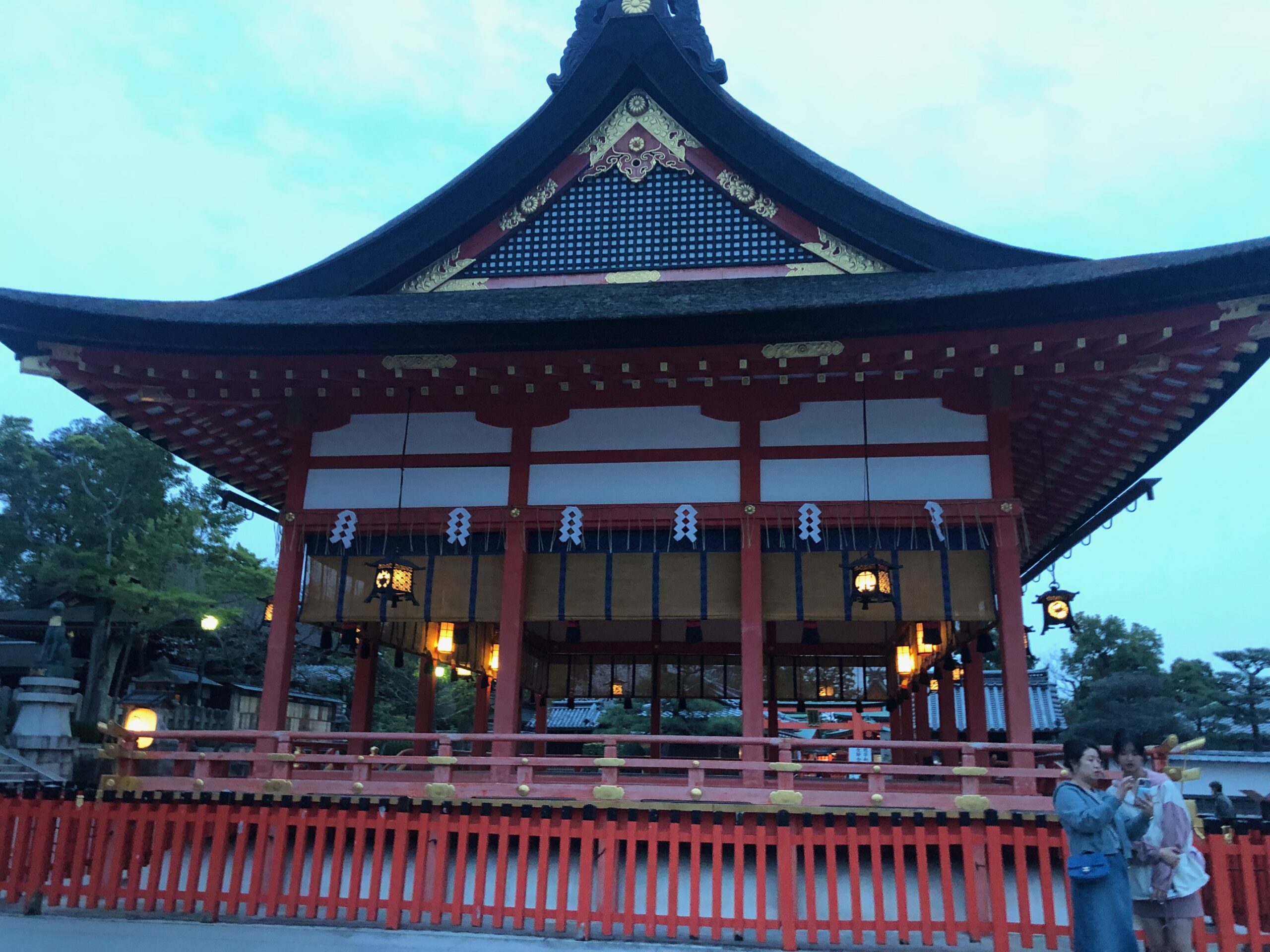
    And as late afternoon approached, we knew we had a short window in which to see the renowned Fushimi Inari Taisha shrine, the historic red gates of which you’ll no doubt have heard about, if not seen pictures of. This beautiful Shinto shrine dates from 711 (easily remembered when you think about the local konbini) and is a must-see for visitors. Arriving slightly later in the day, we were lucky to avoid mischievous monkeys that might steal our belongings, and we got to enjoy seeing the sunset over the iconic red gates.

    After a short train ride back to Kyoto Central Station, we embarked on our trip back to Tokyo. We’d packed a lot into a single day – for me, I always want to appreciate a new place and squeeze every last drop out while I’m there, because you never know when you might be back. So while we had the fatigue that always follows a jam-packed day, it was complimented by the fact that we’d seen at least two ancient shrines, visited a historic market for the best food, drink and souvenirs, and successfully navigated Kyoto’s public transport system. A day well spent!

  • Marrakesh

    Marrakesh

    Morocco’s most iconic city is a gateway into years of Moorish history and culture.

    Marrakesh was the first city I visited in Morocco – even more significantly, I was in Africa for the first time. Travelling in late December, I hardly knew what to expect. But, despite my apprehension and a ridiculously early four-hour flight from London, I wouldn’t let things put a damper on my mood. I was travelling here for the first time, as part of a group I was yet to meet, ready to make new friends and explore a brand new country.

    Marrakesh would be the first city I’d set foot in for a two-week excursion around Morocco. The first week would be spent visiting cities, crossing the Atlas mountains into the desert and spending New Year’s Eve in Merzourga, the desert camp. We’d also take part in tour of Skoura, a smaller, more remote camp, where we’d come across ancient kasbahs and locals living a nomadic way of life.

    The second week was more city-oriented, departing Marrakesh and spending time in Casablanca, before setting off early the next morning. The Andalucian gardens of Rabat were reminiscent of the gardens in Granada and Seville, giving them a distinctly Spanish theme (or perhaps it was the other way round, after hundreds of years of Moorish influence had left its mark in Spain). 

    After Rabat we’d head to Chefchaouen, the famous Blue City. I’ve written about this city in more detail in my blog post, where you can find out more about the city and its heritage.

    After two days here (and watching some incredible football games as part of the Africa Cup), we ventured on to Fes, which was in my opinion the best city in Morocco. Its cultural heritage was everywhere, from the small side-streets occupied by both Muslim and Jewish residents, to its grand mosques and the world’s oldest tannery. The evening was spent, if not in a Hammam, then visiting a local nightclub for entertainment that wouldn’t be out of place in a 19th-century traveller’s accounts. Belly dancing, a wedding ceremony, magicians and a band kept an entire ballroom full of visitors entertained and well-fed with three-course meals. Despite only being there for a night, it was easy for us to imagine how these talented performers completed their shows 7 days a week, all year round.

    All of this would take me back to a final two days in Marrakesh, and to see the city again after two eye-opening weeks in the country would change the way I viewed everything there, as I now felt I knew it more intimately.

    My first impressions, on landing, were that I was immediately struck by how welcoming and friendly everyone was. I’m slightly embarrassed to admit that I had no idea how to act coming to an Islamic nation for the first time, and my research had pulled up previously un-thought-of questions, such as what can I wear? And can I drink alcohol? (The answer to the first is modest clothing, and to the second is yes.) But apprehensions aside, I met some incredible friends on this trip and we immediately bonded over a shared curiosity of the country, a desire to spend time in an Arabic-speaking country and a search for new experiences.

  • Chefchaouen

    Chefchaouen

    Morocco’s famous Blue City has plenty to offer for curious travellers.

  • Merzourga

    Merzourga

     A desert camp like no other, Merzourga is a must-visit.