Spending 10 days exploring Andalucía and Cataluña’s most well-known cities for tapas and sangría, flamenco, museums and world-famous cathedrals.
Madrid
Madrid was our first stop for a riotous 10 days in Southern Spain and Cataluña. On our first night, we sought out live music in a central hostel in Madrid. Here we celebrated Dia de los Muertos – although more of a Mexican/Central American tradition, the city was littered with references to this colourful festival, from colourful bunting to exhibitions and artwork.
Even the Opera metro station was decorated á la Phantom of the Opera, with a huge mask projected onto buildings and covering the metro sign. Everywhere we went, streets felt alive – children, teenagers, adults, families were all out, enjoying the sights.
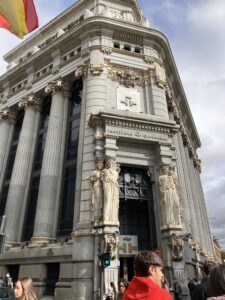
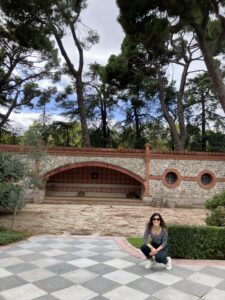
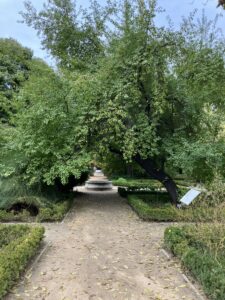
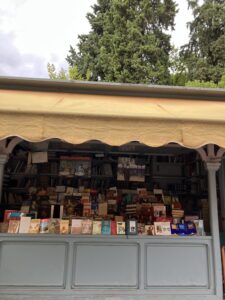
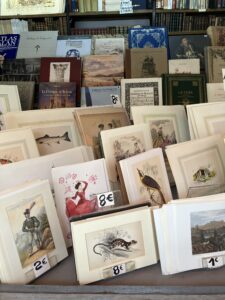

As we were spending the next full day in Madrid, one of the first destinations on our list was El Retiro park, home of the famous Palacio di Cristal. Visiting at the end of October, we saw the glorious autumn colour come to life in the trees and even a slight chill in the air wasn’t a deterrent, but invited us to wrap up and enjoy the sights and sounds of the park, a haven for families, busking students and Madrid’s residents.
As well as these, we visited the Plaza Mayor and Royal Palace. The latter is a beautiful collection of buildings of an impressive length, with an inner courtyard and, from its elevated position in the city, a wonderful view of Madrid.
A visit to the Prado Museum was illuminating and isn’t to be missed. There, you’ll find iconic pieces like The Garden of Earthly Delights by Dutch artist Hieronymus Bosch, a visual depiction of the state of humanity from its inception in the Garden of Eden and humanity’s descent into Hell. Rich with symbolism, this story is told with striking colours and fascinating figures. If you’re feeling reflective, you might say that this even causes us to think about the nature of shame in Catholicism. Definitely something to think about over lunch in the museum cafe!
Another piece in the Prado worth spending time with is Tintoretto’s The Washing of the Feet. Within this story taken from the story of the Last Supper in the Gospel of John, there’s an expert use of perspective. You’ll see a phantom ‘vanishing point’ where the archways point to a much larger city gate in the background. This phenomenon must be seen to be believed and is worth a repeat visit to the museum to see.
After an afternoon pondering the nature of humanity and history in the museum, we took a break and sought a bit of relief in G&Ts in a rooftop bar overlooking Madrid. After decompressing and taking in the sights, we walked up to the Temple of David, where you can watch the sunset through the iconic classical columns. Here, on an elevated point, people gathered to listen to live music, eat and drink, and enjoy watching the sunset.
Luckily in Spain, sunset is practically when the day begins, so our visit was far from over. We headed out for tapas in the evening, sharing several dishes (including my personal favourite, some fried octopus), numerous bottles of Sangria and lots of stories. Reader, don’t underestimate how long this ritual will take – it was approaching midnight before we reached our hotel. I’d like to say the night ended there, but we couldn’t resist an invitation to a nearby club and headed there into the small hours to max out our night.
Granada
Several hours on the road later the next morning, we reached Granada. This charming Andalucían city is popular with students and tourists alike. It was an early start for us, avoiding crowds of tourists in the peak of the day. We stopped by the Basílica de San Juan de Dios for photos, and one of my favourite memories of the trip is spotting a wedding photoshoot in the early morning. There, we ate the local pionono desserts, the moreish rum-infused sponge cakes named after Pope Pius IX.
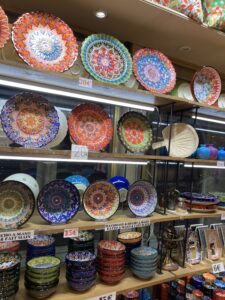

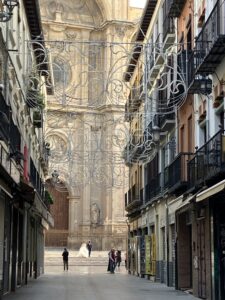
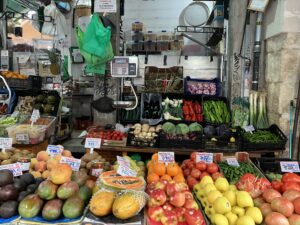
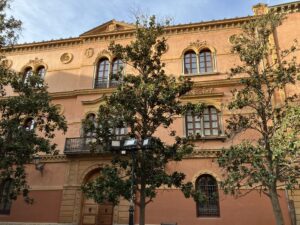
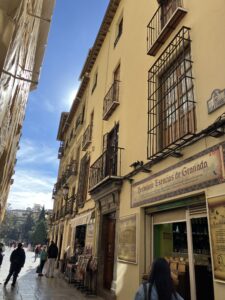
Before visiting its main attraction, we spent a morning wandering the streets, exploring its cathedral and La Alcaicería Bazaar. Here, we found some wonderful, secluded marketplaces hidden in alleyways. These treasure troves, rich with jewellery, silk scarves, trinket boxes and knick-knacks, were reminiscent of the Moorish influence over Spain.
This was my first taste of the hundreds of years’ of Moroccan influence and this curiosity would eventually lead me to spend two weeks in Morocco. I found it impossible not to be drawn in by the deep colours, illuminated gems and luxurious fabrics. I’d always recommend visiting Granada as it felt like such an eye-opening experience.
After a morning spent wandering around the beautiful, cobbled streets, we took a quick break, grabbed some delicious lunch in the form of empanadas from Luicitas, a well-known hole-in-the-wall restaurant. Eating the hot pastries next to the bridge in the warm November sun, overlooking the river that trailed through the city, we felt incredibly lucky. Refuelled for lunch, we headed on to the main event: the Alhambra.
The Alhambra
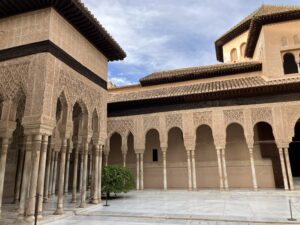
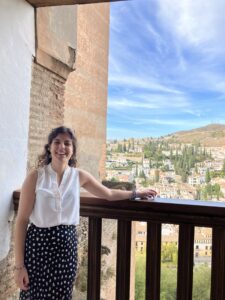
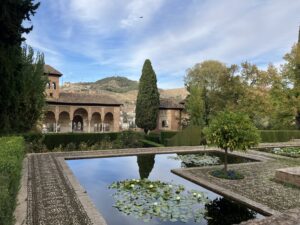
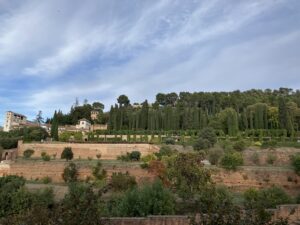
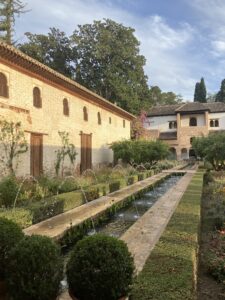
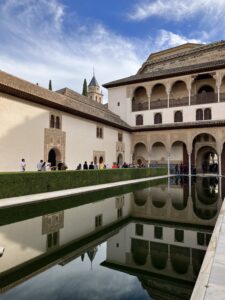
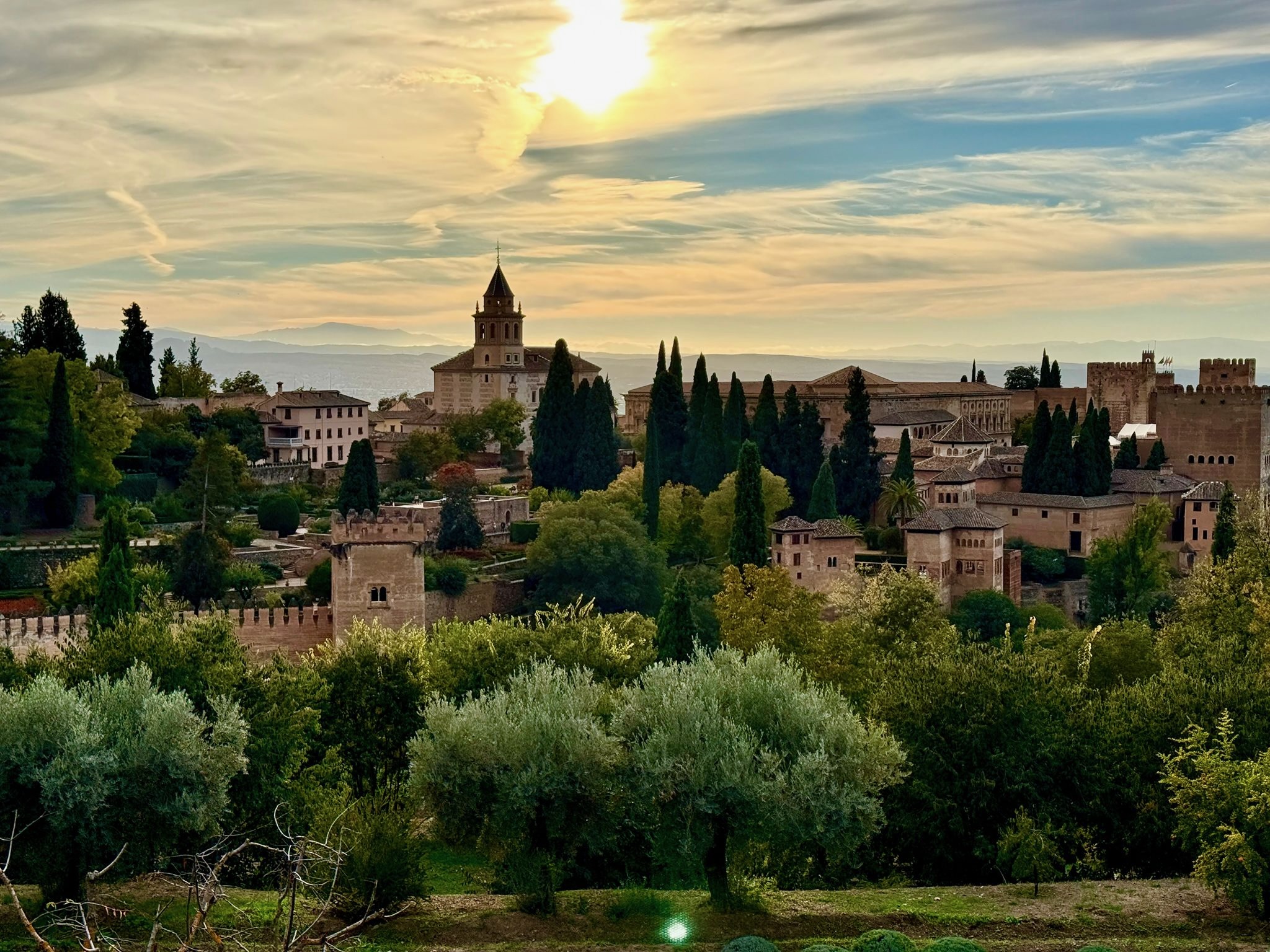
It took a full morning to appreciate the ins-and-outs of the city before catching a bus up to the magnificent palace. And what a sight it was! This unforgettable place is the best-preserved fortress of the medieval Islamic world, and for many will be the highlight of Granada. Construction of this gorgeous citadel began in 1238 CE and its architect’s attention to detail is evident in every archway, every ceiling and every ornately paved tile.
After spending an afternoon in the palace, we ended the evening by walking up to a viewpoint over the city. By sunset, the views were beautiful, with plenty of locals and tourists gathering at to listen to music and dance in the streets.
Córdoba
Between Granada and Seville lies Córdoba, home of the ancient Mezquita-Catedral. This building has a chequered history, with Muslims and Christians grappling for control of it for centuries in a colonial tug-of-war over the identity of the place. What’s fascinating is that even throughout years of Christian occupation, the original Islamic features remain, as they were deemed too well-crafted to be removed completely.
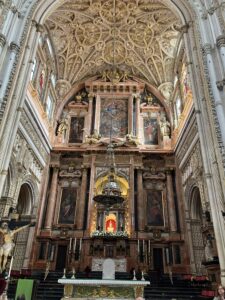
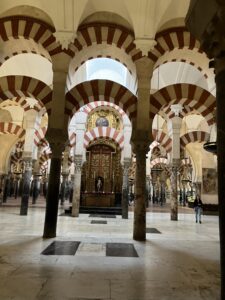
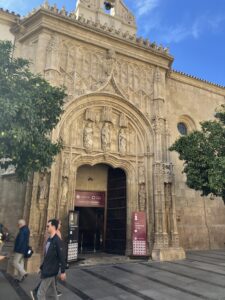
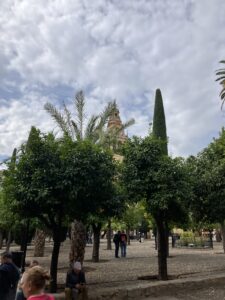
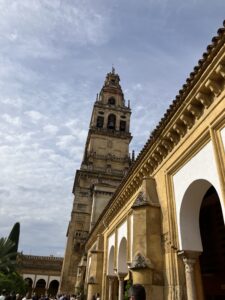
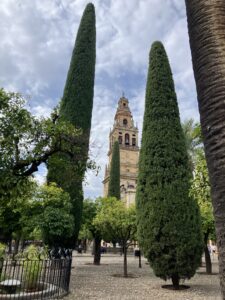
Now a UNESCO World Heritage Site, it’s a wonderful site and it’s impossible not to marvel at its striped archways, cool marble floors and outer courtyard, with palm trees offering shade in the height of summer and surrounding minarets calling worshippers to prayer.
Seville
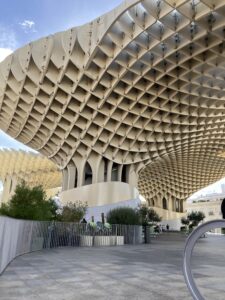
A few hours’ drive later, we reached Seville for the evening. Our first stop was the wonderful outdoor plaza, the Metropol Parasol (also known as Las Setas, the mushrooms). One of the largest wooden structures in the world, this comparatively recent piece of architecture was completed in 2011 and now acts as a central meeting place in Seville, a venue for live music and a hub of restaurants and bars.
Making the most of a full day, the following morning we took a short taxi ride to Seville’s Plaza de España in the Parque de María Luisa. Built 100 years ago in 1926 for the Ibero-American Exhibition, it’s a striking example of Baroque architecture. Although we visited in the autumn when rowing on the surrounding river wasn’t possible, the square was lively and full of chatter and music. Flamenco dancers intrigued spectators in the centre of the Plaza and we enjoyed posing for photos on the bridge.
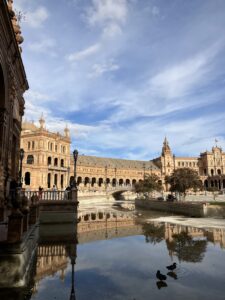
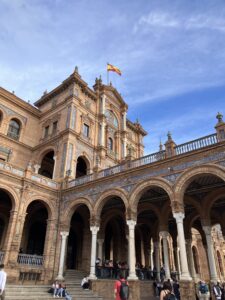
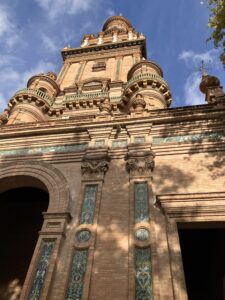
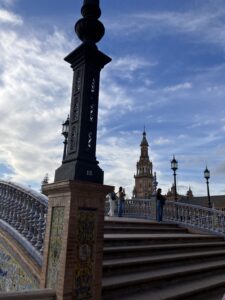
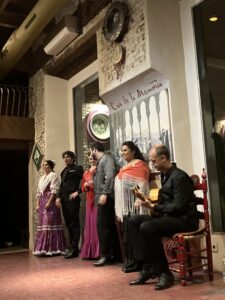
We spent the evening watching a captivating flamenco performance. The history of this type of music stretches back to folkloric traditions in Spain, and although it’s much more well-known today, it started life within communities of Romani ethnicity in Andalucía.
The performance felt haunting, as the female vocalist let her voice rise with the accompanying cajón and Spanish guitar and her counterpart performed a rousing routine. For an hour, our group was entranced by the tragic yet beautiful melodies and passionate performances and, even after the lights came up, it was all we could talk about at dinner that evening.
Barcelona
A seven-hour, cross-country train journey would take us to Barcelona for the final leg of our trip. This had to be the city which I anticipated the most and the sheer scale of it didn’t disappoint. After disembarking and finding our bearings, what immediately struck us was how different this Cataluñan city felt to Andalucía. Largely self-governed, Cataluña has its own dialect and feels like entering a much more bustling, modern megacity than the old-world charm of little Granada or Córdoba.
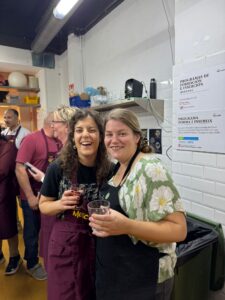
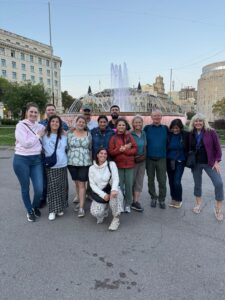
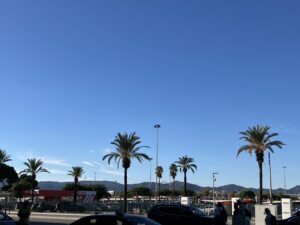
Despite the long journey, we were keen to see all the city had to offer and after walking around the Plaça de Cataluña, we went for a cooking class at the Mescladís Borrell. This social enterprise helps those in the local community while offering classes and group trips, so booking in advance is advised. Spending a lively and memorable evening drinking Sangría, eating gazpacho and occasionally stirring a pot in the name of ‘cooking’, we enjoyed the evening and it brought our group closer together towards the end of the trip.
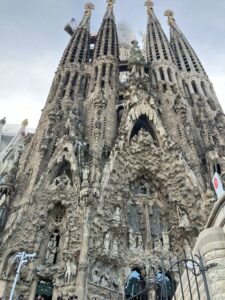
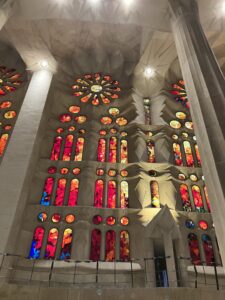
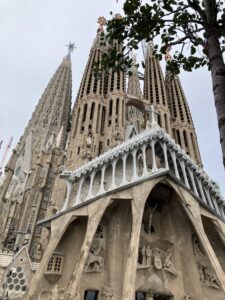
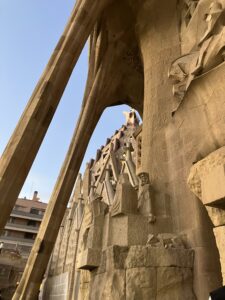
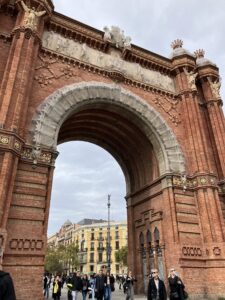
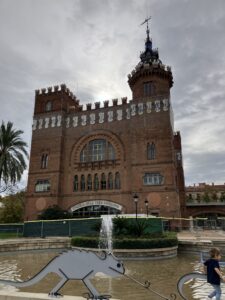
We spent most of our following day at the Sagrada Famíllia, Barcelona’s iconic cathedral. Although Gaudí would be turning in his grave at the fact that his masterpiece, which began construction in 1882, is still incomplete, we were reliably informed that this would be the year construction ceased. Whether or not that’s true, we faced the queues and cranes, spending the day admiring the Gothic exterior and beautiful stained-glass windows inside. Although we’d have liked more time to see the biggest sights in Barcelona, from Guell Parc to Casa Battló, we knew these would be waiting on a repeat visit.
¡Hasta luego, España!
After a full itinerary for at least ten days, we made the most of our time in Andalucía and Cataluña. From the charm of Granada to the splendour of Córdoba, the Baroque architecture and flamenco legacy in Seville to Barcelona’s bold, vibrant lifestyle, Spain has so much to offer. It’s easy to see how someone might spend weeks longer in each of these very distinct cities.
Throughout them all, though, was a sense of liveliness, of residents and tourists alike enjoying life late into the night, soaking up the atmosphere of the streets and sharing tapas, Sangría and stories. Andalucía remains my favourite part of Spain for how it opens up a gateway into years of Moorish occupation and influences, with its history tangible throughout its streets and palaces, and will no doubt be somewhere to which I’ll return.